

A radically simpler personal system
Edited English version based on the Chinese original. Read the Chinese original
Whenever I pass MUJI, I go in, even if I am in a hurry. I am drawn to the restraint in its shops and products. The name, Mujirushi Ryohin, is often rendered “quality goods without a brand.” Against the showy consumer culture I associate with 1980s Japan, that idea feels striking. I see its spare design as a useful model for my own life.
I looked more deeply into MUJI and combined what I saw with the Japanese idea of danshari, or letting go. I reviewed seven areas of my daily life, drafted changes in an online document, and started applying them. This afternoon I reorganized my phone in depth.
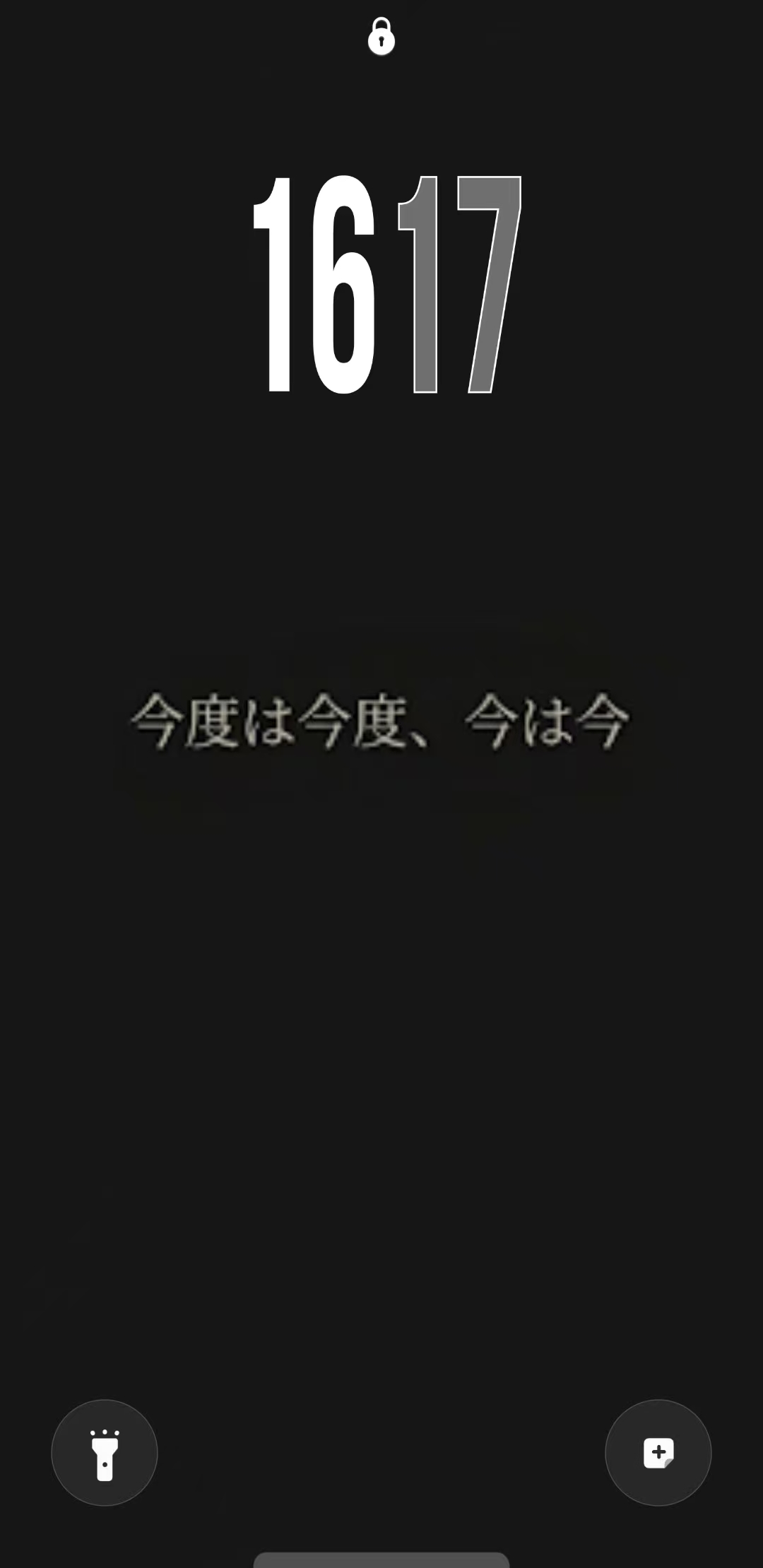

The result may look small, but it drained my attention. I needed a short rest before continuing. Making something simpler can take more work than adding to it. Still, I would rather build a useful structure now and benefit from it for years. It feels like laying the foundation and arranging the rooms of a house: after that, I can add only the furniture I need.
This week I have done both much and little. I have examined many problems in detail, yet most of the work circles one theme, whether I am building a trading system or clearing my phone:
I am building a personal operating system.
That has made the week feel substantial.
Made it this far? Say hello.
Something resonated, raised a question, or sounded wrong? I would like to hear it.
Write a note to mantou